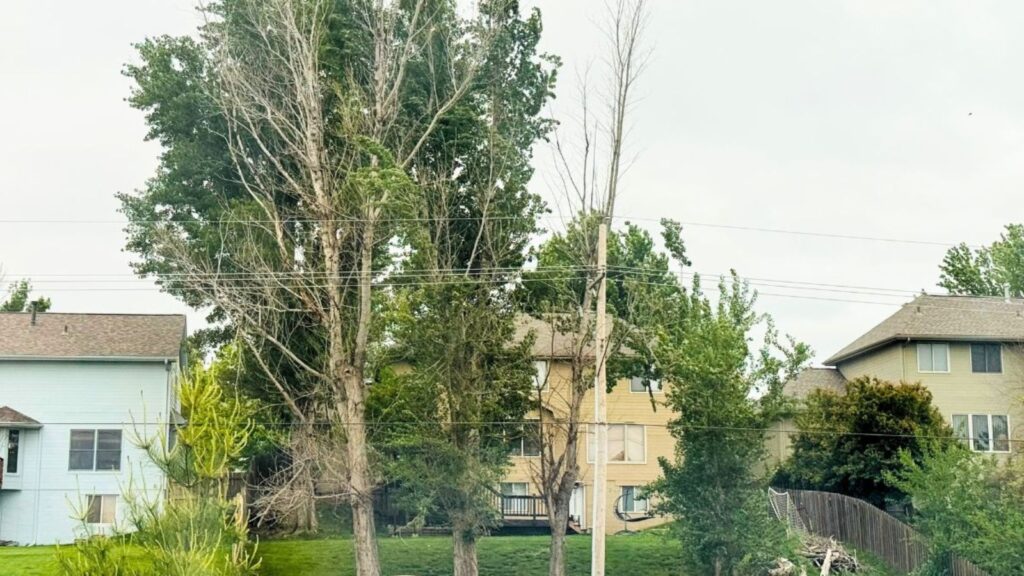
Finding a dead tree near power lines can leave you wondering who is responsible for handling the problem. Many homeowners assume the utility company takes care of every tree near electrical lines, but that is not always the case.
Responsibility often depends on where the tree is located, whether it is actively interfering with the lines, and how much risk it poses to nearby homes, vehicles, or people. Knowing who to call first can help you avoid delays and prevent a potentially dangerous situation from getting worse.
Why Dead Trees Near Power Lines Are a Serious Concern
Dead trees become increasingly unstable as they deteriorate. Branches can snap without warning, trunks may weaken internally, and root systems can lose their ability to support the tree.
When a dead tree is located near electrical lines, the risks extend beyond property damage. Falling limbs can interrupt power service, damage utility equipment, and create dangerous conditions around your home.
Potential issues include:
- Power outages
- Damage to homes, vehicles, and fences
- Fire hazards
- Falling branches near walkways or driveways
- Safety risks for people nearby
Because of these dangers, dead trees near power lines should be evaluated before they become an emergency.
When the Utility Company May Be Responsible
Utility companies are responsible for maintaining safe and reliable electrical service. If a tree is actively interfering with power lines or utility equipment, they may need to address the situation.
Contact the utility company if you notice:
- Branches touching power lines
- A tree that has fallen onto electrical lines
- Sparking or damaged utility equipment
- Power outages caused by a tree
- Immediate threats to electrical infrastructure
Never approach a tree that is touching or has fallen onto power lines. Electricity can travel through branches, trunks, and the ground surrounding the area.
When a Professional Tree Assessment Makes Sense
Not every tree near power lines is the utility company’s responsibility. If the tree is on private property and has not yet affected electrical service, a professional tree service can determine the safest next steps.
An inspection may be worthwhile if:
- A dead tree is leaning toward power lines
- Large dead branches extend over utility lines
- Storm damage has weakened the tree
- Significant decay is visible
- The tree appears unstable
During an assessment, professionals evaluate the tree’s condition, its proximity to power lines, surrounding structures, and the safest method for removal if necessary.
Common warning signs that should not be ignored include:
- Large sections of missing bark
- Dead branches throughout the canopy
- Visible trunk cracks
- Fungal growth near the base
- Exposed roots
- Sudden leaning
Addressing these issues early can often prevent more costly damage later.
Why You Should Never Attempt Removal Yourself
Removing a dead tree near power lines is not a typical DIY project.
Dead wood can break unpredictably, and even a small mistake can cause a branch or section of the tree to fall in an unintended direction. When power lines are involved, the consequences can be severe.
Attempting removal yourself may lead to:
- Serious injury
- Electrocution hazards
- Property damage
- Vehicle damage
- Utility service interruptions
Professional crews use specialized equipment and safety procedures designed for high-risk removals.
Planning With Preventive Tree Care
The best time to address a hazardous tree is before it creates an emergency.
Regular inspections can help identify declining trees before they threaten power lines, structures, or nearby property.
Preventive measures include:
- Scheduling periodic tree inspections
- Removing dead or dying trees promptly
- Pruning weak branches
- Monitoring mature trees near utility corridors
- Addressing storm damage early
Proactive maintenance can reduce the likelihood of unexpected failures and emergency removals.
Knowing Who to Call First
If a tree is touching power lines, has fallen onto utility equipment, or is causing a power outage, contact the utility company immediately and stay clear of the area.
If the tree is dead, damaged, leaning, or showing signs of failure on your property but is not affecting electrical service, a professional tree service can assess the risk and recommend the safest solution.
Removing a hazardous tree before it falls can help avoid costly damage and reduce risks to both people and nearby utility lines.
Frequently Asked Questions
Will the utility company remove my tree?
Utility companies typically handle trees that are interfering with power lines or electrical equipment. Trees on private property often require evaluation and removal by a tree service.
Should I call a tree service early?
Yes. A tree service can assess a dead or declining tree before it becomes a threat to nearby power lines, structures, or people.
Can I remove it myself?
No. Dead trees near power lines can behave unpredictably during removal, creating serious electrical hazards.
What if a tree falls on a power line?
Stay clear of the area and contact the utility company immediately. Never touch the tree or attempt to remove branches from the line.
How do I know a tree is dead?
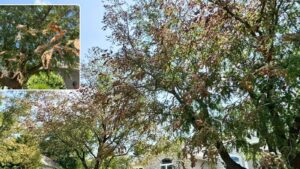
Dead trees often show signs such as brittle branches, missing bark, trunk decay, little to no leaf growth, and extensive dieback.
Tree Services of Omaha – Tree Removal Services
Tree Services of Omaha, Nebraska is a full-service tree care provider that offers a wide range of arborist services, including but not limited to: Tree Removal Services, Tree Trimming, Tree Pruning, Tree and shrubs Shaping, Stump Removal, Stump Grinding, Emerald Ash Borer Treatment, Arborist Consultations, Systemic Tree Injection (Tree Healthcare).
Contact us today for a free estimate!