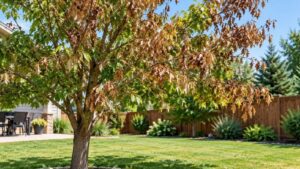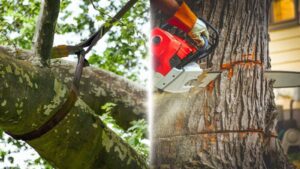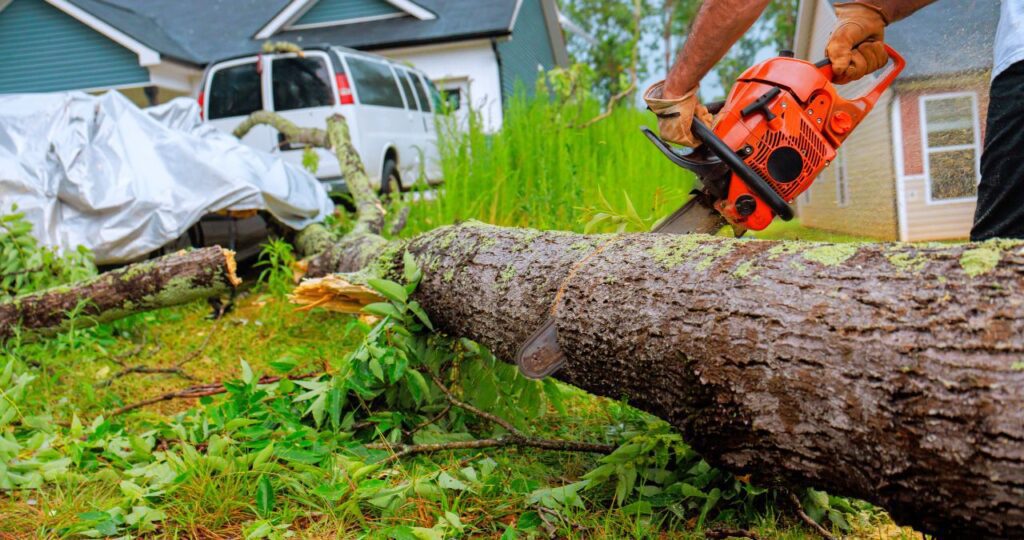
Storm season in Omaha can quickly turn even a stable-looking tree into a serious safety hazard. After heavy winds and rain, many homeowners consider removing or handling a damaged tree themselves to save time or avoid calling for help. At first glance, DIY tree removal may seem manageable. In reality, storm-damaged trees behave unpredictably and can shift without warning once cutting begins. Understanding the risks of DIY tree removal helps homeowners make safer decisions before attempting any tree work on their property.
How Storm Season Changes Tree Stability
Storms don’t just break branches, they weaken the entire structure of a tree.
When strong winds and heavy rain hit Omaha, trees often experience:
- Softened soil that weakens the root system
- Leaning trunks caused by shifting pressure
- Broken or hanging limbs that can fall unexpectedly
- Hidden cracks inside the trunk that worsen over time
Even large trees that appear stable may already be compromised below the surface.
Why DIY Tree Removal Becomes More Dangerous During Storm Season
Tree removal in normal conditions already requires planning and control. After a storm, the level of danger increases significantly.
Storm-damaged trees may:
- Shift suddenly during cutting
- Collapse unevenly due to weight imbalance
- Release built-up tension in branches
- React unpredictably to even small cuts
These factors make it extremely difficult to control how the tree will fall.
Safety Hazards Homeowners Often Underestimate
Tree removal requires managing weight, direction, and pressure all at once. Without proper training or equipment, the risk of injury increases quickly.
Falling Limbs and Chainsaw Risks
Branches under stress can snap without warning, creating a serious hazard. Chainsaws add another level of danger, especially when used on unstable wood.
Electrical and Environmental Dangers
Storms can damage or expose power lines, making the area unsafe. Wet ground and debris also increase the risk of slipping or losing control.
Unstable Ground Conditions
Saturated soil can shift underfoot, especially near root systems. This makes it harder to maintain balance and safely operate equipment.
How DIY Tree Removal Can Damage Your Property
Even if no one is injured, property damage is a common outcome of improper tree removal.
Homeowners often experience:
- Roof or fence damage from falling sections
- Cracked driveways or patios
- Damage to landscaping or irrigation systems
- Utility line disruptions
In many cases, incorrect removal causes more damage than the storm itself.
Hidden Issues After Improper Tree Removal
Some problems don’t show up right away but develop over time.
You may notice:
- Uneven ground where roots were disturbed
- Drainage issues leading to water pooling
- Nearby trees shifting due to lost support
- Lawn damage in affected areas
These secondary issues can be costly to fix later.
How to Reduce Risk Before and During Storm Season
The safest approach is to minimize risk before storms hit, rather than reacting afterward.
Helpful steps include:
- Scheduling regular tree inspections
- Removing weak or overextended branches early
- Monitoring trees near structures
- Maintaining proper spacing and growth
- Planning ahead for storm exposure
Proactive care can prevent emergency situations altogether.
Safer Tree Removal and Storm Damage Solutions
When storm damage occurs, working with a professional arborist ensures the job is handled safely and correctly.
Tree Services of Omaha uses controlled removal methods designed to reduce both safety risks and property damage.
Common solutions include:
- Hazard assessments of storm-damaged trees
- Sectional removal instead of full cuts
- Controlled lowering of heavy branches
- Complete cleanup and debris removal
- Stabilization of surrounding areas
This approach ensures the tree is removed without creating additional problems.
When It’s Time to Take Action
Delaying action after storm damage increases both safety concerns and property risks.
Schedule an inspection if you notice:
- Trees leaning that were previously stable
- Large broken branches hanging overhead
- Exposed or damaged roots
- Visible cracks in the trunk
- Trees located near homes, driveways, or power lines
Early evaluation helps prevent more serious issues.
Frequently Asked Questions
Why is DIY tree removal more dangerous during Omaha storms?
Storm damage weakens trees internally, making them unpredictable during cutting. This increases the risk of sudden movement or collapse.
What makes a storm-damaged tree unsafe to cut?
Hidden cracks, unstable roots, and internal tension can all affect how the tree reacts during removal.
Can removing a tree myself damage my property?
Yes. Improper removal can lead to structural damage, utility issues, or falling debris.
How soon should a storm-damaged tree be inspected?
As soon as it is safe after the storm. Early inspection helps prevent worsening instability.
When should a professional be called?
If the tree is leaning, damaged, or near structures or power lines, professional removal is the safest option.
Tree Services of Omaha – Tree Removal Services
Tree Services of Omaha, Nebraska is a full-service tree care provider that offers a wide range of arborist services, including but not limited to: Tree Removal Services, Tree Trimming, Tree Pruning, Tree and shrubs Shaping, Stump Removal, Stump Grinding, Emerald Ash Borer Treatment, Arborist Consultations, Systemic Tree Injection (Tree Healthcare).
Contact us today for a free estimate!