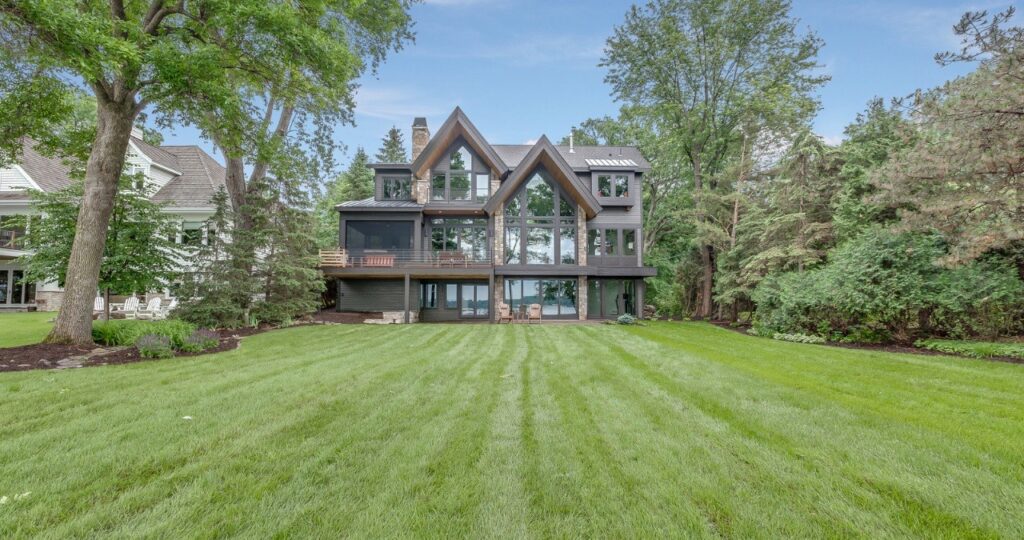
Mature trees can add shade, privacy, and character to a property. However, they may also have hidden structural problems, root damage, or ongoing maintenance needs that buyers overlook during a showing.
When considering Omaha homes with mature trees, look beyond appearance. Asking the right questions before closing can help identify potential hazards and future expenses.
1. What Species of Trees Are Growing on the Property?
Different tree species have different growth habits, maintenance needs, and vulnerabilities. Knowing what grows on the property helps buyers anticipate future care.
For example, mature oaks can provide substantial shade, while silver maples grow quickly but have relatively weak wood that may be more susceptible to branch breakage.
Ask the seller about:
- Tree species and approximate ages
- Planting history, if known
- Previous pruning or treatment
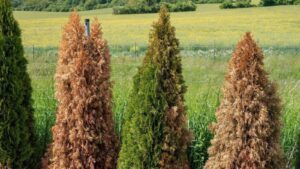
- Known disease or pest problems
If the seller cannot identify the trees, an arborist can help. Species identification is also useful when planning landscaping or construction near established root systems.
2. Are There Signs of Disease, Decay, or Structural Damage?
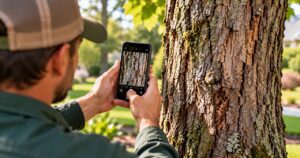
A tree can have a full canopy and still have structural problems. During a property walkthrough, look for:
- Dead or hanging branches
- Cracks or cavities in the trunk
- Fungal growth near the trunk or roots
- Damaged or missing bark
- Unusual leaning or soil movement near the base
Not every cavity or leaning tree requires removal. The location and extent of the damage matter. A crack near a major branch union, for instance, may need closer attention than superficial bark damage.
A certified arborist can evaluate the tree’s condition and recommend whether further investigation or corrective work is needed.
3. Have the Trees Sustained Previous Storm Damage?
High winds, heavy snow, and ice accumulation can damage branches and weaken trees. Some problems may not be immediately obvious, even when a tree continues producing leaves.
Ask the seller whether any trees have sustained significant storm damage and whether repairs were completed.
Look for old pruning wounds, previous large limb removals, broken branches, and cracks around major branch unions. Poorly positioned cuts or remaining weak attachments may affect how a tree responds to future weather.
If the property has a history of significant storm damage, an independent assessment can help identify additional work that may be necessary.
4. Are the Roots Affecting the Foundation, Driveway, or Utilities?
A mature tree’s root system can extend beyond its visible trunk area. Check the property for:
- Cracked or lifted sidewalks
- Uneven driveway sections
- Damaged retaining walls
- Exposed roots or shifted soil
These conditions may indicate root growth, although drainage and construction issues can also contribute.
Roots can exploit existing cracks in pavement or structures. They may also enter older sewer lines through damaged joints or leaking sections. Buyers concerned about nearby trees and aging pipes may consider requesting a sewer camera inspection.
Avoid cutting major roots without professional guidance. Doing so can affect a tree’s stability and health. Consult an arborist before disturbing established root zones for construction, drainage, or utility work.
5. What Tree Maintenance Will Be Needed After Closing?
Even healthy mature trees may require regular care. Ask when the trees were last inspected or pruned and whether any recurring treatments or monitoring recommendations are in place.
Common maintenance needs include:
| Maintenance Service | What It Addresses | Why It Matters |
|---|---|---|
| Structural pruning | Weak branch attachments, crossing limbs, and unbalanced growth | Reduces branch failure risks and helps maintain a stable tree structure |
| Deadwood removal | Dead, damaged, or hanging branches | Limits the risk of falling limbs that could damage roofs, vehicles, or nearby property |
| Disease and pest assessment | Discolored foliage, fungal growth, bark damage, and insect activity | Helps identify problems early and determine whether treatment is necessary |
| Root-zone care | Compacted soil, exposed roots, and disturbances near the trunk | Protects root health and reduces stress caused by landscaping or construction |
| Post-storm evaluation | Broken limbs, trunk cracks, and weakened branch unions | Identifies hidden damage that may create safety concerns after severe weather |
Routine maintenance is different from corrective work, such as addressing a large damaged limb or weak branch union above a roof. Request estimates for significant recommendations so you can account for potential costs.
6. Are There Trees That May Require Treatment or Removal?
Some trees may have advanced decay, extensive structural damage, or disease that affects their long-term viability. Others may need corrective work but can remain part of the landscape with proper care.
Ask whether the seller has received recommendations for:
- Pest or disease treatment
- Corrective pruning
- Cabling or bracing
- Ongoing monitoring
- Tree removal
A weak branch union, for example, may warrant an evaluation for supplemental support. A tree with significant internal decay may require a different approach.
Do not assume an old tree must be removed simply because it has visible imperfections. If extensive treatment or removal is recommended, request a written assessment identifying the affected trees, proposed work, urgency, and estimated costs.
7. What Tree-Related Expenses or Responsibilities Will Transfer to the New Owner?
Before closing, establish which tree-related issues have been addressed and which will become your responsibility.
Request available:
- Tree service invoices
- Arborist inspection reports
- Treatment and pruning records
- Previous removal documentation
- Recommendations for unfinished work
If significant work remains, discuss the findings and estimates with your real estate agent. Depending on the purchase agreement, buyers may be able to negotiate repairs, request further evaluation, or account for the expense.
Also check whether trees near neighboring lots involve maintenance or access concerns. If the property has a homeowners association, ask whether landscaping or tree removal requires approval. Verify applicable local rules before arranging major work.
Making an Informed Decision About Omaha Homes With Mature Trees
Mature trees can enhance a property, but their condition and maintenance needs deserve attention before closing. Reviewing tree history, identifying potential hazards, and obtaining estimates can help buyers avoid unexpected expenses.
Tree Services of Omaha offers tree health evaluations and risk assessments, helping buyers make informed decisions about the trees on a prospective property.
Frequently Asked Questions
Can a tree’s age determine how long it will remain healthy?
No. Species, growing conditions, previous injuries, disease, and structural condition all influence a tree’s longevity. An older tree may remain healthy for years, while a younger one can develop serious problems.
Does homeowners insurance cover damage caused by falling trees?
Coverage depends on the policy and circumstances surrounding the damage. Buyers should review coverage limits, exclusions, and maintenance requirements with their insurance provider.
Can a mature tree be saved if it has a hollow trunk?
Sometimes. A hollow trunk does not automatically mean removal is necessary. An arborist considers the remaining sound wood, tree structure, location, and potential targets before recommending an appropriate course of action.
Can buyers request tree removal as part of a home purchase agreement?
Potentially. Buyers and sellers can negotiate property-related repairs or other conditions. Any agreement should identify the work, responsible party, and completion deadline.
Should buyers inspect trees during winter?
Yes. Without leaves, branch structure, deadwood, and some defects may be easier to see. However, certain disease and pest symptoms are more apparent during the growing season.
Tree Services of Omaha – Professional Tree Care
Tree Services of Omaha is a full-service tree care provider that offers a wide range of arborist services, including but not limited to: Tree Removal Services, Tree Trimming, Tree Pruning, Tree and Shrub Shaping, Stump Removal, Stump Grinding, Emerald Ash Borer Treatment, Mulch Delivery & Installation, Arborist Consultations, Systemic Tree Injection (Tree Healthcare).
Contact us today for a free estimate!