Tree lifespan can vary widely, but trees often show signs of decline long before they fail. Observing active decay, damaged trunks, or failing roots can indicate that a tree has reached the end of its viable life.
Signs of decline often develop over long time periods, influenced by environmental stressors, pests, or disease. Recognizing these signs early is essential for safety and timely decision-making.
When to Chop It Down: 5 Signs Your Tree’s Lifespan Is Over
These signs show when a tree poses safety risks or cannot recover. Homeowners should watch for trunk damage, dead branches, root failure, little or no new leaves, and severe pests or disease.
Severe Trunk Damage or Decay
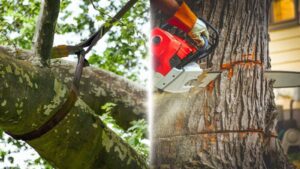
Soft tissues in the trunk, large cavities, or visible rot suggest structural failure. Symptoms of root or stem decay often show as cracks running vertically or through the root surface areas. Fungal fruiting bodies, such as mushrooms or conks, are a sign of short-lived internal wood degradation.
Trunk damage undermines a tree’s long-term stability. Checking cavities and probing with tools similar to automated test methods used in continuous integration systems can reveal hidden weaknesses. Trees with more than one-third of the trunk compromised often require removal.
Extensive Dead or Falling Branches
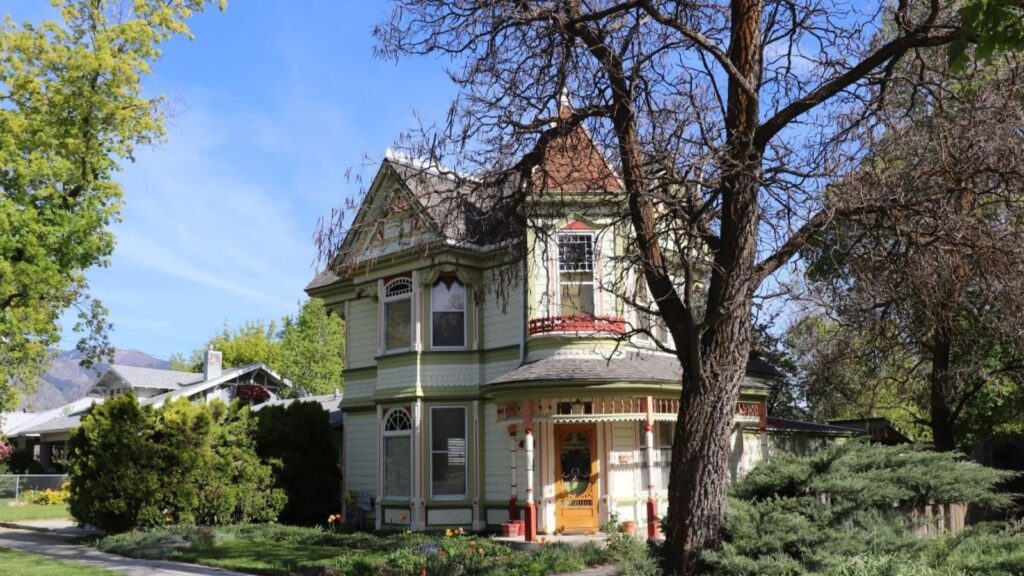
Widespread dead branches in the crown show the tree can no longer support normal growth. If many limbs drop suddenly, or most upper branches are leafless in season, the tree likely has structural decline. Falling limb hazards increase near buildings, play areas, and cars.
Inspect branch collar cracks, split crotches, and large dieback areas. Repeated limb loss after storms suggests internal weakness rather than isolated damage. When more than half the crown is dead or major limbs are failing, removal is usually safer than repeated pruning.
Root Rot and Unstable Foundation
Soft, waterlogged soil, mushroom clusters at the trunk flare, and heaving ground indicate root rot or root loss. Roots that are decayed cannot anchor the tree. A tree that tilts more each year or pulls easily from the soil during an inspection is unstable.
Check the root collar for loose bark, exposed roots, and fungal growth. Construction damage, soil compaction, and poor drainage accelerate root decline. If root health is severely compromised or the tree leans more than about 15 degrees, a professional should evaluate removal to avoid sudden collapse.
Lack of New Growth or Foliage
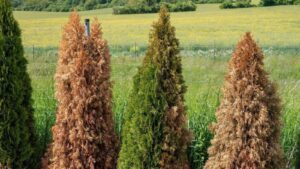
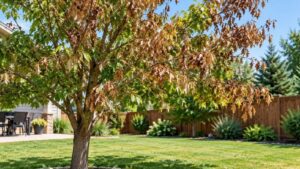
Declining trees often fail to produce buds or new shoots. Sparse leaves, reduced canopy density, or stunted growth over multiple seasons signal compromised tree lifespan. Evergreen trees may shed needles rapidly, while deciduous trees may not leaf out in spring.
Environmental factors such as carbon dioxide availability, nutrient deficiency, or previous stages of decomposition in surrounding organic matter affect vitality. Persistent crown thinning, especially when neighboring trees thrive, is a serious concern.
Infestation or Irreversible Disease
Severe insect infestations or diseases can shorten the tree’s lifespan dramatically. Signs include root surface damage, sawdust-like frass, galleries under bark, wilted foliage, or sticky sap. Advanced oak wilt, chestnut blight, or borers can render a tree unsalvageable.
Localized pests may be managed, but when structural wood, roots, or the canopy are compromised, removal is often safer. Assessing decay and infection parallels how tests are run in software to ensure stability before deployment.
Assessing Tree Removal and What to Do Next
Immediate hazards should be documented. Large limbs over buildings, cracked trunks, or leaning trees require professional evaluation. Measuring distance to power lines and noting root cavities or damaged soft tissues can prevent accidents.
Certified arborists provide release branch–style evaluations, diagnosing internal decay, pests, and structural defects. Written reports should outline risks, treatment options, and cost estimates, including long-term implications for the property.
Local regulations may mandate permits for removal. Municipal authorities often require reports, especially for protected species or trees in public spaces. Keeping copies of approvals ensures compliance and avoids fines.
Frequently Asked Questions
What are the telltale signs that a tree is dead or dying?
A dead tree usually has no live leaves in its canopy during the growing season. Small twigs and branches snap easily and show dry, brittle wood when broken.
A dying tree may have large sections of dead branches mixed with sparse live foliage. Look for fungus growth, extensive bark loss, and long-term decline in leaf size or color compared with nearby trees.
How can I tell if a tree poses a danger to its surroundings?
A dangerous tree shows a sudden or increasing lean, especially toward a house, driveway, or power line. Cracks running through the trunk or major limbs indicate structural failure risk.
Falling limbs, root heave near the trunk, and visible decay cavities lower the tree’s ability to hold weight. If branches fall during calm weather, the tree is unstable and may need removal.
What symptoms indicate a tree has an irrecoverable disease?
Irrecoverable disease signs include large trunk cavities, widespread wood rot, and persistent fungal fruiting bodies (mushrooms or conks) on the trunk or roots. These show internal decay that often cannot be reversed.
If most of the canopy dies back over one or two seasons and treatments such as pruning or targeted sprays fail to stop the decline, the disease is likely beyond recovery.
When is the right time to consider professional tree removal services?
Hire a professional when the tree leans toward structures, shows large trunk cracks, or has extensive root damage close to foundations. Also, call a pro if the tree has large dead limbs over high-use areas or if removal would be near power lines.
Professionals should assess suspected internal rot, large cavities, or fungal conks. They have the tools and training to remove hazardous trees safely and to advise on risk and timing.
Tree Services of Omaha – Tree Removal Services
Tree Services of Omaha, Nebraska is a full-service tree care provider that offers a wide range of arborist services, including but not limited to: Tree Removal Services, Tree Trimming, Tree Pruning, Tree and shrubs Shaping, Stump Removal, Stump Grinding, Emerald Ash Borer Treatment, Arborist Consultations, Systemic Tree Injection (Tree Healthcare).
Contact us today for a free estimate!