The early months of the season are important for spotting tree problems in spring. Finding these issues early helps trees stay healthy during hot summers and winter storms. Wilting leaves, discolored foliage, and dead branches often signal common issues. Removing infected material and keeping the area clean reduces the risk of disease.
Omaha trees face several common concerns, including leaf fungal diseases, Dutch elm disease, and root rot. Environmental stressors like drought, compacted soil, and pests also contribute to tree problems in spring. This guide covers practical identification, prevention strategies, and when professional consultation is recommended.
Disease Prevention: Common Omaha Tree Problems to Watch for This Spring
Identifying and Preventing Common Omaha Tree Diseases
Regular inspection of leaves, bark, and roots can reduce tree problems in spring. Signs like wilting, unusual growths, or wood decay should be addressed quickly to limit spread.
Early Signs of Tree Disease in Spring
Symptoms often appear in new leaf growth. Yellowing leaves, leaf spots, or leaves that wilt during warm afternoons may indicate fungal infection. Branch dieback at the tips or on one side of a tree can also signal early disease.
Trunks and major limbs should be checked for sunken cankers, oozing sap, or fungal fruiting bodies. Root collars may show decay or mushrooms, indicating root rot. Sudden insect activity or woodpecker holes often point to internal decay. Recording species and symptom timing helps professionals diagnose and address tree problems in the spring efficiently.
Fungal Infections Threatening Omaha Trees
Fungi cause many spring problems in Omaha. Anthracnose and powdery mildew attack leaves and shoots, causing blotches, early leaf drop, or distorted new growth. Dutch elm disease targets elms, leading to yellowing, wilting, and rapid branch death. Root rots, often from Phytophthora, rot roots and cause crown decline.
Control begins with sanitation: remove and destroy infected leaves, pruned branches, and any fallen wood. Avoid pruning when trees are wet to lower spore spread. Fungicide sprays can protect high-value trees; apply when buds swell or as recommended by a certified arborist. For large infections, professionals may recommend removing heavily infected trees to stop the spread to nearby trees.
Preventative Tree Care for Disease Resistance
Plant disease-resistant species suited for Omaha’s climate, such as certain oaks, maples, or disease-tolerant elms. Match tree species to soil type and sun exposure to reduce stress-related susceptibility.
Water deeply and infrequently to encourage strong roots. Mulch 2–4 inches around the drip line, but keep mulch clear of the trunk to prevent collar rot. Prune dead or crossing branches in late winter or dry days to improve airflow.
Keep a maintenance log with planting dates, pruning, watering, and any treatments. When in doubt, have a certified arborist inspect suspect trees and recommend diagnostic tests, targeted treatments, or safe removal.
Managing Environmental Stressors and Pest Issues
Spring brings swings in moisture, temperature, and insect activity that can weaken trees and invite disease. Addressing watering, pest scouting, pruning, and soil care reduces stress and limits disease spread.
Impact of Spring Weather on Tree Health
Spring in Omaha often shifts from wet to dry quickly. Saturated soil after storms reduces oxygen at the roots and raises the risk of root rot. Trees with crowded roots or low-lying planting spots need better drainage or raised beds.
Late frosts can damage new buds and create entry points for fungi. Mulch placed 2–4 inches deep and kept away from the trunk helps moderate soil temperature and moisture. Irrigate during dry stretches: young trees need about 10–15 gallons per week; established trees need less but benefit from deep, infrequent watering.
Rapid warm spells speed insect life cycles. Monitoring soil moisture and protecting root zones helps trees recover from fluctuating spring conditions.
Minimizing Pest Infestations for Disease Prevention
Early monitoring helps reduce tree problems in spring. Key steps include:
- Inspect trunk bases, branches, and leaf undersides every 7–10 days for chewed leaves, bore holes, sticky residue, or webbing.
- Record pest sightings with dates and locations to track trends.
- Use targeted controls first: apply horticultural oil or insecticidal soap for minor aphid or scale outbreaks during cool hours to avoid leaf burn.
- Consult a certified arborist for borers or heavy infestations; professional treatments may include timed trunk injections or systemic insecticides.
- Encourage natural predators like lady beetles and lacewings by avoiding broad-spectrum insecticides.
- Remove and destroy heavily infested branches off-site to prevent spread.
- Maintain proper spacing and diversify tree species to reduce pest buildup.
Best Practices for Pruning and Soil Management
Prune in late winter to early spring before bud break for most species. Remove dead, crossing, or rubbing branches with clean, sharp tools to reduce disease entry points. Make cuts just outside the branch collar and avoid flush cuts.
Sterilize pruning tools between cuts when disease is present: wipe with 70% isopropyl alcohol or a 10% bleach solution and dry. Dispose of infected wood; do not chip and reuse it as mulch near trees.
Test soil every 2–4 years for pH and nutrient levels. Apply lime or sulfur only based on test results. Add organic matter like compost in a 2–3 inch layer and let it settle; avoid piling compost against trunks. Aerate compacted soil by vertical mulching or core aeration to improve root oxygen and drainage.
Frequently Asked Questions
What are the early signs of common diseases in Omaha trees during spring?
Look for leaf spots, yellowing, or premature leaf drop on maples, oaks, and elms. Small brown or black lesions on leaves often show fungal infection early.
Watch for wilting or dieback at branch tips, especially after wet weather. Cankers, sunken or cracked bark with oozing sap, signal internal infections.
Mottled or discolored leaves and sticky residue can point to insect-vectored diseases. Rapid crown thinning over weeks means a serious problem that needs an arborist.
How can I prevent fungal infections in trees as the weather gets warmer?
Keep crowns pruned to improve air flow and reduce leaf wetness. Remove and dispose of fallen leaves and infected branches promptly.
Apply targeted fungicide sprays only when recommended for the species and disease, usually at bud break and again in spring. Use licensed products and follow label directions exactly.
Avoid overhead watering and fix drainage problems to cut moisture that fungi need. Space new plantings to prevent overcrowding.
Are there specific insect pests to be aware of in the Omaha area this spring?
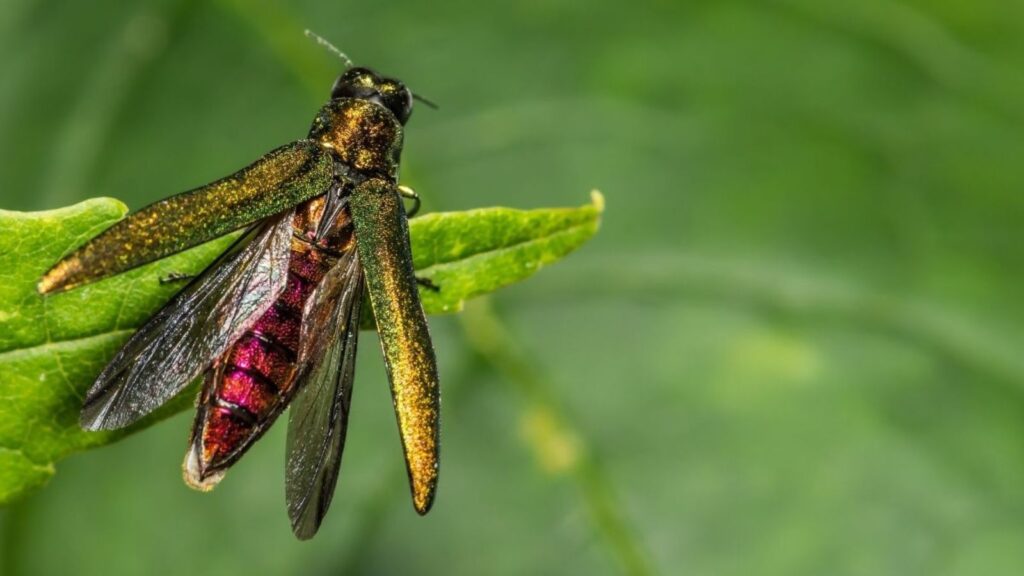
Emerald ash borer, scale insects, and aphids are common threats in Omaha. Early feeding causes leaf curling, stickiness, or small holes in bark.
Japanese beetles and tent caterpillars also appear in late spring and early summer. Monitor regularly and use traps or targeted insecticide if populations rise.
Check trunks and lower branches for boring holes or sawdust-like frass; these signs mean wood-boring insects and need fast action.
What are the recommended treatments for bacterial tree diseases prevalent in spring?
Remove and destroy infected branches and leaves to limit spread; sterilize pruning tools between cuts. Bacterial cankers may require cutting back to healthy wood.
Copper-based sprays can reduce surface bacteria when applied before symptoms worsen, but timing and concentration matter. Follow product labels or consult an arborist.
Avoid fertilizing stressed trees and reduce injury from lawn equipment, since wounds let bacteria enter. Treat underlying stressors, like poor drainage or root damage.
How often should trees be inspected for diseases in the spring season?
Inspect trees every 2–4 weeks in spring when bud break occurs, and wet weather raises disease risk. Check after major storms and prolonged rain.
Do a quick visual scan for leaf spots, new dieback, and insect activity each visit. Call a certified arborist if symptoms appear to get a formal diagnosis.
Can mulching help prevent tree diseases, and if so, what is the best practice?
Yes. Apply 2–4 inches of organic mulch in a 3–4 foot radius around the trunk, keeping mulch 2–4 inches away from the bark. This keeps roots cooler and retains soil moisture without touching the trunk.
Avoid deep or piled mulch against the trunk, which can cause rot and invite pests. Refresh mulch yearly and monitor for signs of excess moisture or fungal growth.
Tree Services of Omaha – Tree Removal Services
Tree Services of Omaha, Nebraska is a full-service tree care provider that offers a wide range of arborist services, including but not limited to: Tree Removal Services, Tree Trimming, Tree Pruning, Tree and shrubs Shaping, Stump Removal, Stump Grinding, Emerald Ash Borer Treatment, Arborist Consultations, Systemic Tree Injection (Tree Healthcare).
Contact us today for a free estimate!