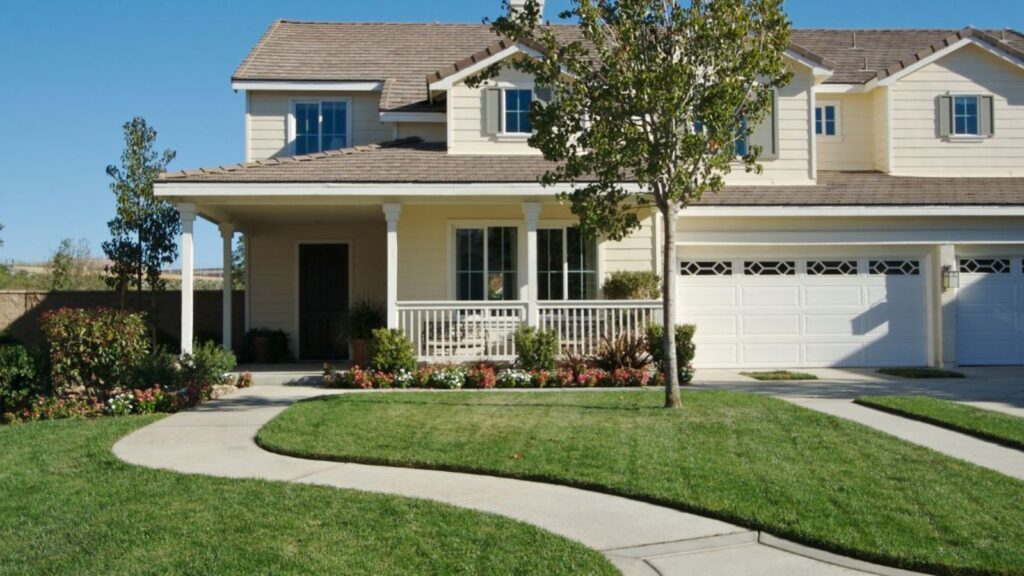
Tree–to–house distance is often overlooked, but it plays an important role in reducing storm damage and protecting a home. Many homeowners place trees too close to the house, which increases the risk of foundation stress, roof issues, and gutter problems during high winds. As trees grow larger over the long term, pressure on nearby structures increases.
A simple guideline is to leave enough space for a tree’s mature canopy. Taller trees should be planted farther away to reduce wind damage and moisture concerns. Proper spacing also helps prevent water intrusion while allowing trees to provide shade, privacy, and fragrant flowers without unnecessary risk.
Understanding how tree size and growth affect their safe distance from a house helps homeowners make better choices. This knowledge can prevent property damage while still allowing trees to provide shade and beauty.
What Homeowners Get Wrong About Tree–to–House Distance Explained
Understanding Tree-to-House Distance
The space between a tree and a house matters for basic home protection. Proper spacing helps limit stress on the structure and reduces future maintenance problems. Knowing why distance is important helps guide better decisions in the sections ahead.
Ideal Distances Based on Tree Species
Different tree species grow to different sizes and shapes. Plant small trees like dogwoods or Japanese maples closer to a house, usually 10 to 15 feet away. Medium-sized trees such as redbuds or magnolias need more space, around 15 to 20 feet. Large species, such as oaks or maples, should be at least 20 to 40 feet away to allow room for their full growth.
Height matters as much as spread. A tree that reaches 30 feet tall creates different risks than one that stays compact. Proper tree–to–house distance allows full growth without increasing the likelihood of tree removal later.
Root Systems and Their Impact on Foundations
Tree roots vary widely by species but generally grow outward in search of water and nutrients. Roots near a house can cause damage if they disrupt the foundation or underground pipes. Shallow roots, common in species like willow or poplar, pose a higher risk because they spread widely and can lift sidewalks or foundations.
Deep-rooted trees tend to cause fewer problems but still need space. A safe rule is to plant trees at least half the width of their mature root system from the house. For example, if the roots spread 30 feet wide, place the tree at least 15 feet from the house. This minimizes the chance of needing to remove the tree because of damage to the structure.
Canopies, Branches, and Structural Risks
Above ground, tree canopies and branches can affect a house if placed too close. Large, spreading branches can scrape roofs, break windows, or clog gutters with leaves and debris. During storms, heavy branches that overhang the house may break and cause serious damage.
Scheduling regular pruning keeps growth controlled and reduces hazards. Seasonal trimming is often best done in winter or early spring, when tree stress is lower, and branch structure is easier to assess. Maintaining safe tree–to–house distance also limits pruning needs and helps preserve tree health.
Common Homeowner Mistakes with Tree Placement
Many homeowners plant trees without considering future size, upkeep, or insurance concerns. Errors in spacing often lead to avoidable damage and higher maintenance demands.
Overlooking Local Building Codes
Homeowners sometimes ignore local building codes that set rules about how close trees can be to structures. These codes exist to prevent damage to foundations, pipes, and power lines. Not following them can lead to costly repairs or even fines.
Building codes often specify a minimum distance between the tree trunk and the house. This distance depends on the tree type and its root spread. Some codes require planting trees at least 10 to 15 feet away to avoid root damage. Checking these rules before planting ensures the tree will not cause future problems.
Misjudging Tree Growth Potential
Underestimating how large a tree will become is one of the most common mistakes. As trees mature, both branches and roots expand far beyond early expectations. Trees planted too close may eventually require frequent trimming or full removal.
Spacing trees correctly from the start helps avoid repeated maintenance, reduces debris buildup, and lowers the chance of costly repairs tied to poor planning.
Ignoring Future Maintenance Challenges
Some homeowners overlook the ongoing care a tree will need as it grows near the house. Trees planted too close often require frequent trimming to keep branches away from roofs, siding, and nearby utilities.
Pruning helps manage growth, but poor trimming can weaken the tree and lead to health problems. Fallen leaves and debris may also build up around the home, increasing the risk of clogged gutters and exterior damage.
When trees are placed too close together, maintenance becomes more time-consuming and costly. Allowing enough space from the start makes routine care easier and reduces long-term upkeep demands.
Frequently Asked Questions
How far should trees be planted from a house to avoid damage?
Experts suggest keeping small trees at least 10 to 15 feet away from houses. Medium trees should be 15 to 20 feet away. For large trees, a distance of 20 feet or more is best. This helps prevent problems with roots and canopies, and allows trees to mature without placing stress on nearby structures.
Can planting trees too close increase the risk of roof or foundation problems?
Yes. Trees planted too close to structures can cause cracking foundations, roof damage from overhanging branches, and clogged gutters. Proper spacing helps reduce these risks. These risks often increase during storms or periods of heavy growth.
What are the common signs that a tree is too close to my home?
Warning signs include branches hanging over the roof, roots showing near the foundation, and trees leaning toward the house. These signs mean the distance between the tree and the house may be too small. Early signs are easier to address before major damage occurs.
Do all tree species need to be the same distance from a house?
No. Trees with large root systems or wide canopies usually need more space from houses. Smaller trees with compact roots and slower growth need less space. Knowing the mature size of a tree helps determine proper placement.
How does tree proximity affect maintenance and long-term care?
Trees planted too close to a house often need frequent trimming to keep branches away from roofs and power lines. Over time, this extra care increases maintenance effort and costs.
Tree Services of Omaha – Tree Removal Services
Tree Services of Omaha, Nebraska is a full-service tree care provider that offers a wide range of arborist services, including but not limited to: Tree Removal Services, Tree Trimming, Tree Pruning, Tree and shrubs Shaping, Stump Removal, Stump Grinding, Emerald Ash Borer Treatment, Arborist Consultations, Systemic Tree Injection (Tree Healthcare).
Contact us today for a free estimate!